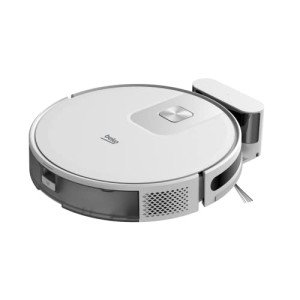
The Rise of Robot Vacuum Cleaners: A Comprehensive Guide
In the last few years, robotic technology has penetrated numerous aspects of day-to-day life, significantly modifying how tasks are achieved. Among the most groundbreaking developments in this area is the arrival of robot vacuum cleaners. These devices have actually shifted from a luxury product to a vital home tool, supplying benefit and effectiveness to countless users around the globe. This short article will explore the mechanics, advantages, restrictions, and popular designs of robot vacuum cleaners, in addition to address some frequently asked questions.
What is a Robot Vacuum Cleaner?
A robot vacuum cleaner is an autonomous device developed to clean floorings without human intervention. Geared up with sensors, brushes, and vacuum innovation, these small machines can navigate a home, efficiently getting dirt, dust, and debris. Many modern-day models include various features, consisting of Wi-Fi capability, smartphone applications, and home mapping innovation, which permit users to keep an eye on cleaning development from another location.
How Robot Vacuum Cleaners Operate
Robot vacuums make use of numerous technologies to guarantee reliable cleaning. Below are the main elements that add to their functionality:
- Navigation Sensors: Most robot vacuums feature different sensing units (infrared, ultrasonic, and so on) that assist spot challenges, stairs, and walls, allowing the device to browse a space efficiently.
- Suction Mechanism: The vacuum employs a suction system to gather dirt and dust from surfaces. Many designs use sophisticated cyclonic innovation to boost suction power.
- Cleaning Brushes: Different types of brushes (side brushes, rolling brushes) help in loosening dirt and directing debris into the vacuum's suction location.
- Battery System: Operating on rechargeable batteries, robot vacuums can clean up autonomously for a predetermined period before returning to their docking station to recharge.
- Smart Features: Many models are equipped with Wi-Fi connection, allowing users to manage cleaning schedules, suction power, and zoning through smartphone apps. Some even support voice control through smart home devices like Amazon Alexa and Google Assistant.
Benefits of Robot Vacuum Cleaners
The integration of robot vacuum into daily cleaning tasks provides several considerable advantages:
- Time-Saving: They perform cleaning autonomously, enabling users to focus on other crucial activities.
- Constant Cleaning: Robot vacuums can clean up on a routine schedule, ensuring that dirt and dust do not build up.
- Convenience: Most models can be operated while users run out your house, or perhaps from remote areas through smart device apps.
- Space Efficient: With their compact design, they can access areas that conventional vacuums can not, such as under furnishings and in tight spaces.
- Smart Technology: The included functions, such as mapping and scheduling, offer users with enhanced control over their cleaning routines.
Limitations of Robot Vacuum Cleaners
In spite of their numerous benefits, robot vacuums do come with some constraints:
- Initial Cost: High-quality robot vacuums can be more pricey than conventional vacuums, which might discourage some customers.
- Handbook Assistance Needed: Robot vacuums might fight with big particles or thick carpets, requiring periodic manual vacuuming.
- Battery Life: Depending on the design and the size of the home, the battery life may restrict just how much area can be cleaned in one session.
- Maintenance: Regular maintenance, such as clearing the dustbin and cleaning brushes, is vital to keep the vacuum operating successfully.
Popular Robot Vacuum Models
Here's a table comparing some of the top-rated robot vacuum cleaners on the market:
| Model | Suction Power | Battery Life | Smart Features | Rate Range |
|---|---|---|---|---|
| iRobot Roomba 980 | High | As much as 120 minutes | Wi-Fi, App Control, Alexa | ₤ 600 - ₤ 800 |
| Roborock S7 | Extremely High | Approximately 180 minutes | Mapping, Virtual Barriers, App | ₤ 400 - ₤ 600 |
| Ecovacs Deebot OZMO T8 | High | Approximately 240 min | AI Smart Navigation, App Control | ₤ 600 - ₤ 700 |
| Neato Botvac D7 | High | As much as 120 minutes | Mapping, Zone Cleaning | ₤ 600 - ₤ 700 |
| Shark IQ Robot | Moderate | As much as 90 minutes | Self-Cleaning, App Control | ₤ 400 - ₤ 500 |
FAQs About Robot Vacuum Cleaners
Q1: Can robot vacuum cleaners change conventional vacuums?
While robot vacuums can considerably lower the need for standard vacuuming, they are best used as a complementary tool rather of a complete replacement. For deep cleaning or bigger particles, standard models might still be needed.
Q2: Are robot vacuums effective on all kinds of floor covering?
Most robot vacuums perform well on tough surfaces like tile and wood, in addition to low-pile carpets. Nevertheless, users with high-pile carpets may discover limited efficiency and ought to consider particular models created for those surfaces.
Q3: How do robot vacuums manage pet hair?
Many designs are specifically developed with powerful suction and rubber brushes that successfully gather pet hair from carpets and furniture. It's a good idea to check reviews focusing on family pet owners' experiences for much better insights.
Q4: Do robot vacuums need much upkeep?
Robot vacuums do need some maintenance. mop and vacuum robot must routinely clear the dustbin, clean the brushes and sensors, and look for any blockages to preserve optimum performance.
Robot vacuum have actually altered the cleaning landscape, offering users time-saving, efficient, and convenient services to floor maintenance. While they may not totally change traditional vacuums, their integration into families signifies an advance in how we approach home cleanliness. As technology continuously evolves, we can anticipate a lot more developments in this space-- making robot vacuums an ever-relevant household tool.